Source Fireproof Eco Friendly Sandwich Panel for Walls Roofs
Find 30 fireproof eco friendly sandwich panel options from verified Chinese manufacturers. Compare specifications including thickness, material, and fire ratings for exterior walls, roofing, and prefab houses.
Key considerations
Products List




Comprehensive Sourcing Guide
Strategic Sourcing Guide for Fireproof Eco-Friendly Sandwich Panels
Understanding Technical Specifications and Material Composition
When sourcing fireproof eco-friendly sandwich panels, the primary focus must be on the core material and the structural integrity of the composite. The market offers a diverse range of core materials, with Polyurethane (PU), Polyisocyanurate (PIR), Rock Wool, and Expanded Polystyrene (EPS) being the most prevalent options observed in current listings. The selection of the core material directly dictates the fire rating, thermal insulation properties, and overall environmental impact of the final product. For applications requiring high fire resistance, Rock Wool and PIR cores are frequently cited as superior choices due to their inherent non-combustible or slow-burning characteristics. In contrast, EPS cores offer cost-effective insulation but require careful verification of fire retardant additives to meet specific safety standards.
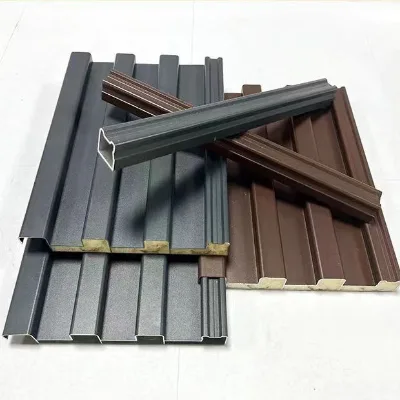
The physical dimensions of these panels are highly customizable, yet specific standard ranges exist to ensure compatibility with construction frameworks. Thickness specifications typically range from 50mm to 200mm, with common increments including 50, 75, 100, 120, 150, 180, and 200mm. For specialized structural applications, panel thicknesses of 150mm or 200mm are often recommended to enhance load-bearing capacity and thermal efficiency. The width of the panels is another critical variable; observed standards indicate widths such as 925mm, 1120mm, 1125mm, and 95mm or more, while some suppliers support widths up to 1000mm. Panel lengths can extend up to 20 meters, allowing for long-span installations that minimize vertical joints and improve the building envelope's integrity. The surface finish is typically prepainted metal, available in colors such as brown, black, or fully customized options to match architectural designs.
| Specification Category | Common Observed Values | Application Implication |
|---|---|---|
| Core Materials | Polyurethane, Rock Wool, PIR, EPS | Determines fire rating and insulation efficiency |
| Panel Thickness | 50mm to 200mm (50/75/100/120/150/180/200) | Thicker panels offer better thermal and acoustic performance |
| Panel Width | 925mm, 95mm+, 1120mm, 1125mm | Affects installation speed and joint frequency |
| Panel Length | Up to 20 meters | Reduces vertical seams for improved weatherproofing |
| Surface Finish | Prepainted Metal (Brown, Black, Custom) | Influences aesthetic integration and corrosion resistance |
Compliance and Certification Verification
Verifying compliance is the most critical step in procuring fireproof panels, as the "fireproof" designation is not universal and depends heavily on the specific test standards applied. Buyers must scrutinize the certification documents provided by the supplier to ensure they align with the regulatory requirements of the destination country. Observed certifications in the market include ISO9001, CCC, RoHS, and various ISO customizations. It is essential to distinguish between general quality management certifications and specific product safety certifications. For instance, while some listings mention ISO9001, this certifies the manufacturing process rather than the fire performance of the panel itself.
The fire rating is a specific attribute that varies by product model. Listings indicate fire ratings of "1," "2," and "a," which correspond to different levels of fire resistance depending on the testing protocol used. Buyers should not assume that a panel labeled "fireproof" meets a specific hour-long fire resistance duration without explicit documentation. The standard UL263-2020 is a recognized benchmark for fire testing, though its specific application to every listed product must be confirmed. Additionally, environmental claims such as "Eco-friendly" or "Environmental" features require validation against recognized green building standards. The presence of certifications like ISOCCC or ISOSGS suggests a commitment to quality and environmental standards, but the specific scope of these certifications must be reviewed. When evaluating suppliers, request the full test reports for the specific panel model intended for purchase, ensuring the test data matches the claimed fire rating and material composition.
Cost Drivers and Economic Factors
The pricing of sandwich panels is influenced by a complex interplay of material costs, customization levels, and logistical factors. The observed price range in the market spans from $4 to $400 USD, a wide variance that reflects differences in core material, thickness, surface coating quality, and order volume. The core material is the most significant cost driver; Rock Wool and PIR cores generally command a higher price point than EPS or PU cores due to their superior fire resistance and thermal properties. Similarly, thicker panels (e.g., 150mm or 200mm) incur higher material costs compared to standard 50mm or 75mm options.
Customization is another major factor affecting the final cost. While standard panels are available, the market supports extensive customization in terms of color, thickness, and dimensions. Customized orders often involve higher minimum order quantities (MOQs), which can range from 1 to 1000 units depending on the supplier's production capacity. Suppliers with large factory areas, such as those reporting 600,000 square meters, may offer more competitive pricing for bulk orders due to economies of scale. However, smaller, specialized manufacturers might charge a premium for bespoke solutions. Buyers should also consider the packaging requirements; options like shrink film packing or sea-worthy packing add to the overall cost but are essential for protecting the panels during international transit. Payment terms, typically by T/T, and the lead time required for production and shipping must be factored into the total cost of ownership, as delays can impact project timelines and budget allocations.
Typical Applications and Design Considerations
Fireproof eco-friendly sandwich panels are versatile building materials suitable for a wide array of applications, ranging from residential to industrial structures. The observed usage cases include exterior and interior walls, roofing, cold rooms, prefabricated houses, hotels, villas, apartments, office buildings, hospitals, schools, malls, sports venues, warehouses, workshops, parks, farmhouses, courtyards, kitchens, and bathrooms. The specific application dictates the required technical specifications. For example, cold rooms and warehouses require high thermal insulation and moisture resistance, making PIR or Rock Wool cores ideal. In contrast, residential applications like villas and apartments may prioritize aesthetic customization and acoustic performance, where the "Light Weight" and "Sound Deadening" features (observed at 21.5db) are particularly valuable.
The design style of the panels also plays a role in their application. While traditional designs are common, the ability to customize colors and finishes allows for modern architectural integration. The panels are designed to be water-resistant and fire-resistant, making them suitable for environments with high moisture or strict fire safety codes. The "Total Solution for Projects" capability offered by some manufacturers indicates that they can provide 3D model design and graphic design services, ensuring that the panels fit seamlessly into the overall building design. This is particularly beneficial for complex projects like hospitals or sports venues where precise dimensions and specific fire ratings are mandatory. Buyers should match the panel's fire rating and material properties to the specific building code requirements of the project location to ensure compliance and safety.
Supplier Evaluation and Production Capacity
Evaluating a supplier's production capacity and operational scale is crucial for ensuring consistent quality and timely delivery. The market includes manufacturers with significant operational footprints, such as those with 1,800 employees and factory areas spanning 600,000 square meters. These large-scale operations often have the capacity to handle high-volume orders and offer a wider range of customization options. However, the presence of a large factory does not automatically guarantee superior product quality; buyers must verify the supplier's quality control processes and adherence to international standards.
When assessing potential suppliers, look for evidence of robust after-sales support, including online technical support and free spare parts. This indicates a commitment to long-term customer satisfaction and project success. The supplier's location, such as Guangxi, China, or other regions in China, can influence logistics costs and lead times. It is also important to verify the supplier's ability to provide project solutions, including 3D modeling and cross-category consolidation, which can streamline the procurement process for complex projects. Buyers should request references from previous clients and review case studies to understand the supplier's track record in delivering fireproof and eco-friendly panels. Additionally, the supplier's certification status, including ISO9001 and other relevant standards, should be validated to ensure they meet the necessary quality and safety benchmarks.
Quality Control and Long-Term Procurement Strategies
Implementing a rigorous quality control (QC) strategy is essential for mitigating risks associated with sourcing sandwich panels. Buyers should establish clear acceptance criteria based on the observed specifications, such as panel thickness, width, and fire rating. Regular inspections during the manufacturing process and before shipment can help identify defects early, preventing costly delays and rework. The "Standard" and "Sea Worthy Packing" options observed in the market are critical for protecting the panels during transit, ensuring they arrive in pristine condition.
For long-term procurement, building a strategic partnership with a reliable supplier is more beneficial than engaging in one-off transactions. Suppliers that offer "Support Customization" and have a history of providing "Total Solution for Projects" are better positioned to adapt to changing project requirements. Buyers should also consider the warranty period, with some suppliers offering warranties of more than 5 years, which reflects confidence in the product's durability. Regular communication with the supplier regarding maintenance, potential upgrades, and future project needs can help maintain a consistent supply chain. Finally, staying informed about evolving industry standards and certification requirements ensures that the procured panels remain compliant and competitive in the market. By focusing on these long-term considerations, buyers can secure a reliable supply of high-quality, fireproof, and eco-friendly sandwich panels that meet their project demands.
FAQs
What core materials are used in fireproof eco friendly sandwich panels?
Core materials include Polyurethane, Rock Wool, PIR, and EPS. The selection depends on required fire ratings and thermal insulation needs for specific building applications.
Which thickness options are available for these sandwich panels?
Standard thicknesses range from 50mm to 200mm, including 50, 75, 100, 120, 150, 180, and 200mm. Thicker panels like 150mm or 200mm offer enhanced load-bearing capacity.
Can I customize the color and dimensions of the panels?
Yes, customization is available for colors like brown, black, or custom shades. Dimensions such as width and length can also be tailored to project requirements.
What certifications do these fireproof panels typically hold?
Common certifications include ISO9001, CCC, RoHS, and various ISO customizations. Specific fire ratings like 1, 2, or a are assigned based on testing protocols.
How long is the warranty period for these sandwich panels?
Warranty periods often exceed five years, reflecting confidence in product durability. This coverage applies to the structural integrity and performance of the panels.
What is the maximum panel length available for purchase?
Panel lengths can extend up to 20 meters to minimize vertical joints. This feature improves the building envelope's integrity and weatherproofing capabilities.
Which applications are suitable for fireproof eco friendly sandwich panels?
These panels are used for exterior walls, roofing, cold rooms, and prefabricated houses. They are also suitable for offices, hospitals, schools, and warehouses.